
Consequently, it’s not uncommon for individuals in recovery to have a heightened craving for sugary foods. Dopamine is a key neurotransmitter in the brain that influences mood and pleasure. For individuals with alcohol use disorder, alcohol consumption affects the body’s capability to create dopamine independently. When not consuming alcohol, their dopamine levels may decline significantly, which can negatively impact their mood. This drop often leads to cravings for alternatives that elevate dopamine levels, such as sugar.

Impact on Dopamine Levels
- Nutrition plays a critical role in the recovery process for individuals battling alcohol addiction.
- As recovering alcoholics crave sugar, and especially if they’re facing severe psychological symptoms, they may turn to sugar to cope.
- These activities encourage dopamine production from behaviors that don’t bring about the terrible consequences of returning to active addiction.
- Understanding why recovering alcoholics crave sugar involves delving into the complex interplay of biological and psychological factors.
- By understanding these neurological factors, individuals and recovery programs can better tailor strategies that address both sugar and alcohol cravings, helping to stabilize recovery efforts.
The relationship between alcohol and sugar cravings is complex, influenced by physiological and psychological factors. Breaking the cycle requires a multifaceted approach that includes strategies for managing sugar cravings, as well as seeking professional help and support. Beyond the physical reasons, mental health disorders and eating disorders can also drastically affect sugar intake and sugar cravings. Seeking support from healthcare professionals, counselors, or support groups can provide valuable guidance and assistance in managing sugar cravings. These resources can help individuals navigate the challenges of recovery and develop strategies to overcome cravings. Additionally, addressing any emotional or psychological factors that contribute to sugar cravings through therapy or counseling can be beneficial.
Opioid Detox Symptoms: Recognizing the Early Signs of Withdrawal

After almost a decade of successful entrepreneurship and world traveling, he encountered a wave of personal and spiritual challenges; he felt a calling for something more. Ryan returned to school and completed his Master’s Degree in Mental Health Counseling. When he started working with those suffering from drug addiction treatment addiction and PTSD, he found his passion. Choose recovery and take control of your life, it’s the path to a brighter future filled with health, happiness, and fulfillment. Dr. David Deyhimy, with over 20 years of experience, is a board-certified physician in addiction medicine and anesthesiology based in Orange County.
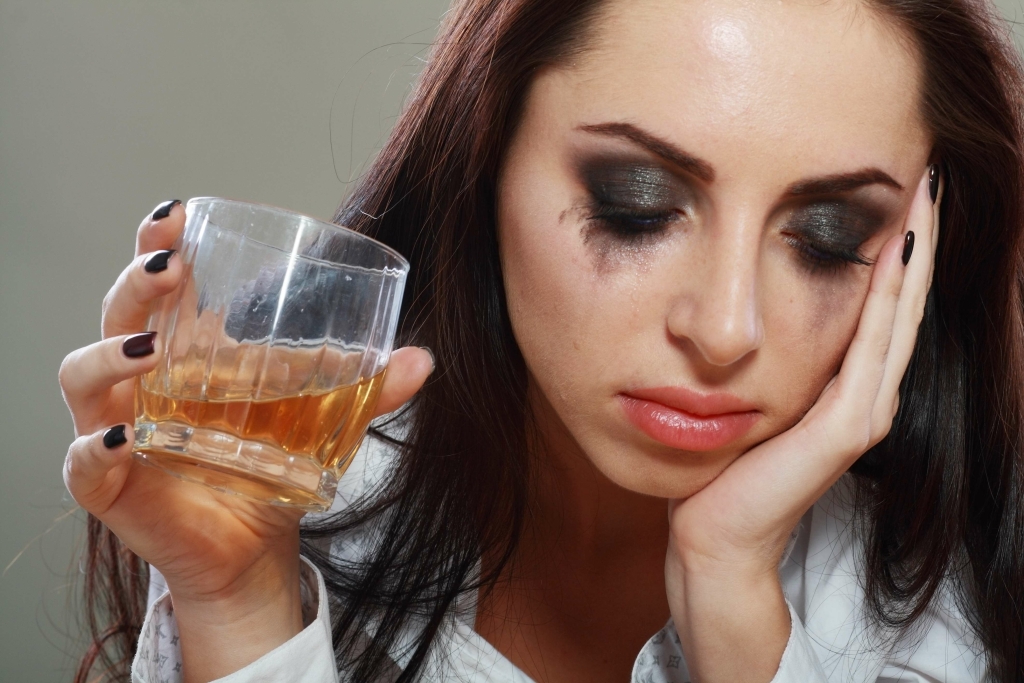
How Nutrition and Diet Can Help Reduce Sugar Cravings Among Alcoholics
- Understanding the connection between alcoholism and sugar cravings is essential to comprehend the complex relationship between these two factors.
- This can lead to a craving for sugar, as the body tries to compensate for the liver’s reduced function.
- Understanding the underlying reasons behind these cravings and learning how to manage them effectively is an important aspect of maintaining a successful recovery journey.
- The activation of these receptors reinforces the desire for sugar in individuals with a history of alcohol dependence.
Furthermore, intermittent, excessive sugar intake can lead to behaviors akin to drug addiction, such as bingeing, withdrawal, craving, and cross-sensitization. Lab rats given intermittent access to sugar displayed increased sugar intake, signs of opiate-like withdrawal, heightened motivation for sugar after abstinence, and even increased alcohol intake. These behaviors were accompanied by alterations in do alcoholics crave sugar neurochemicals like dopamine and opioid receptor binding. In fact, sugar can stimulate the pleasure center in the brain as strongly as drugs like cocaine, and sometimes even more so than alcohol and drugs.